The claim fight
Storm damage is two jobs. The shingles are the visible one. This page is the other one, end to end: what to do before you call anyone, the six steps a claim actually takes, the words the paperwork uses, and the supplement Dakota says funds the rest of the job.
Before you call anyone
Dakota publishes homeowner advice on their own homepage. These three hold up whether or not you ever call them.
Document the damage
Pictures, video and notes of the event itself: the time, the place, the direction it came from. Their observation is that most homeowners remember the storm and can prove none of it.
Call the carrier before any quick fix
A carrier can approve emergency tarping or board-up. DIY repairs made before that call can shrink or void the claim. If you have to act first, photograph before and after.
A denial is an opening position
You can request another inspector. Dakota's advice is to have a contractor present when the second one comes, so the damage gets argued by someone who argues it for a living.
Do I even have damage?
Do not get on the roof. It is dangerous up there.
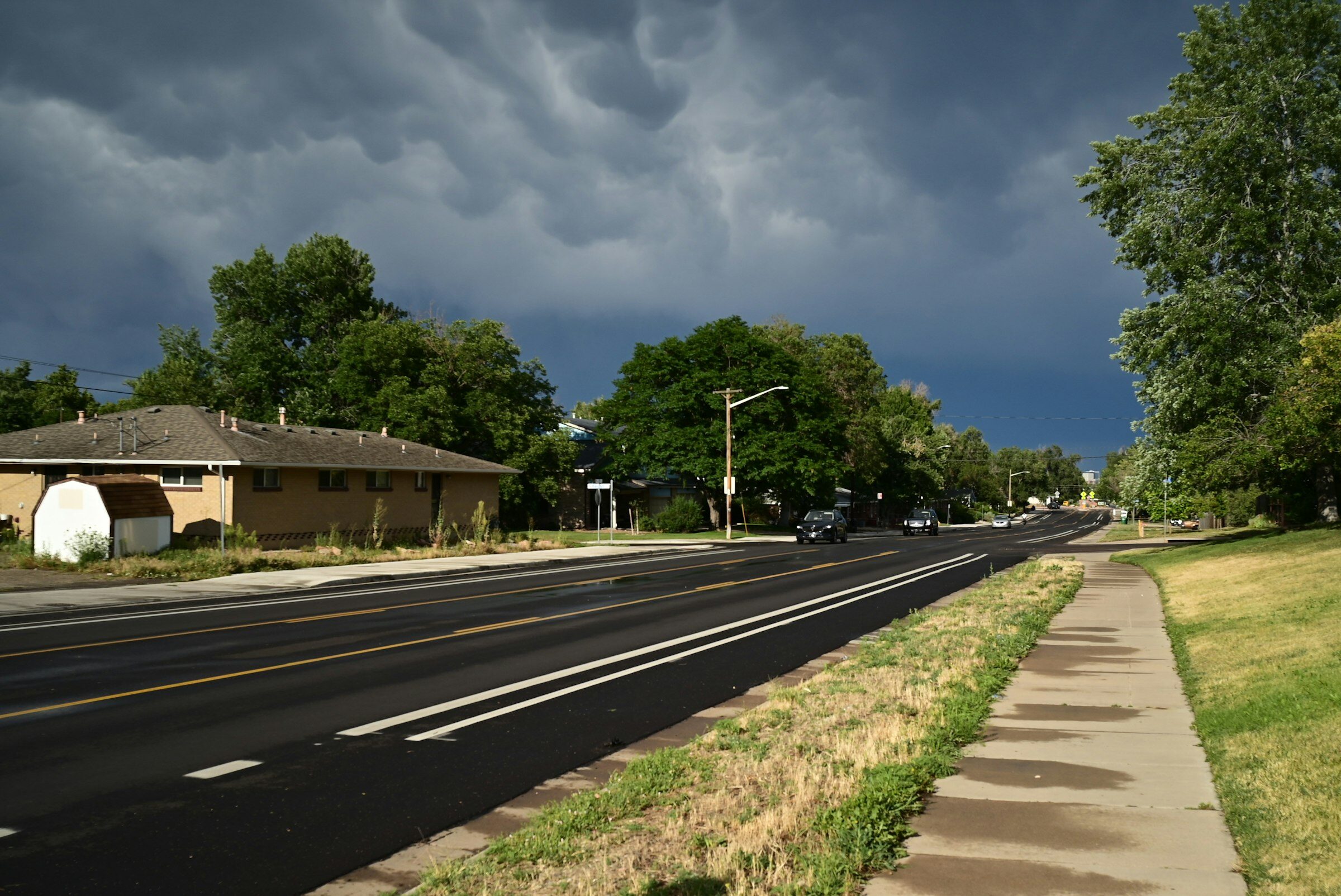
The first pass happens with both feet on the lawn. These are the signs Dakota tells homeowners to look for.
Hail splatter marks on siding, the garage door, window casings and glazing
Neighbors' roofs suddenly getting replaced after a storm
Ask building services whether reroofs have been permitted near you. Several close together usually means local damage
Reading hail
Hail literacy, straight off Dakota's own pages. This is why a roof can pass an eyeball test in June and fail an inspection in October.
Damage is rarely obvious right after a storm unless hail ran larger than about an inch and a half
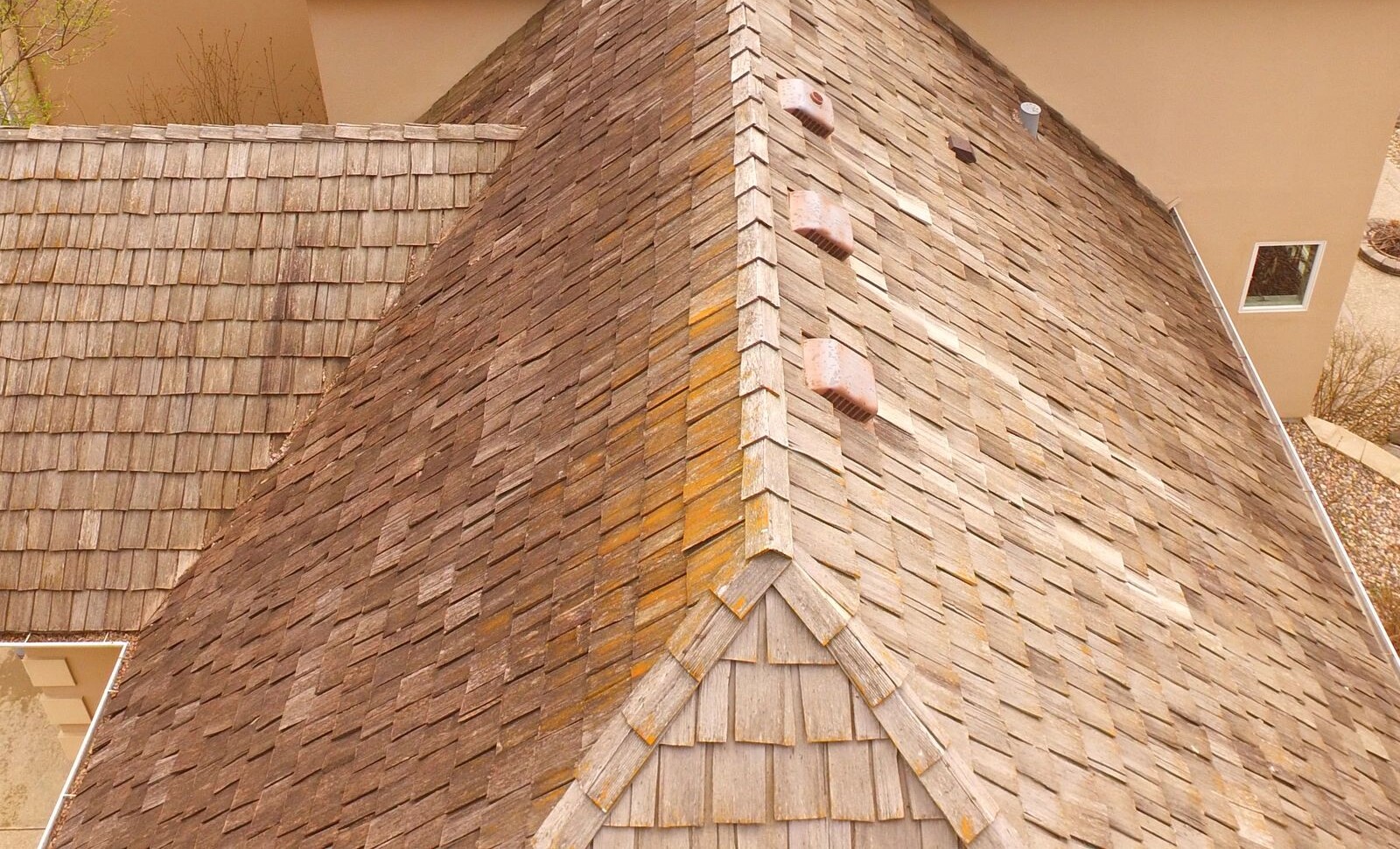
A hit packs the granules tight. Water, heat, cold and freezing make it visible over time
Collateral damage on gutters, siding and screens establishes the size and direction of the hail, which is how the extent of roof damage gets proven
A real storm inspection runs top down: from the ridge of the roof to the last panel on the garage door
The claim, start to finish
Dakota's own published process, numbered the way they run it. Every figure inside a step is Dakota's, and the copy says so where it appears.
A free look at the roof
Call or send the form. Dakota checks whether there is storm damage at all before anyone talks about a claim. The inspection costs nothing.
Call in the claim
Every carrier runs a claim hotline. Dakota keeps those numbers on hand and will help you make the call if you want a hand.
The adjuster visit
The carrier sends an adjuster to assess the damage and document collateral damage. A carrier adjuster is official. An independent adjuster only offers the carrier an opinion. A public adjuster works for you alone.
Claim summary and first payment
If the claim is approved you get a claim summary and a payment, usually within about ten days by Dakota's account. Most policies are written at replacement cost, RCV, but the first check pays actual cash value, ACV. The difference is depreciation, and it is usually recoverable once the work is complete.
The build, and the argument
Dakota's own figure: the first check typically covers about 55 percent of the actual damage. They work the claim alongside the build so that, in their words, customers usually pay nothing beyond the deductible.
The supplement
Permit pulled and inspected, materials installed, everything re-measured. Dakota sends the carrier a final adjustment, called a supplement, and the follow-up check funds the remainder of the job. Their words: it is very common in the industry.
The vocabulary
Five terms that decide what the carrier's letters actually say, defined the way Dakota's own glossary defines them.
Deductible
The portion of the storm damage you pay yourself. It sits outside the ACV and RCV math.
ACV
Actual Cash Value: what the damage is worth today, used and worn. Age counts against you.
Depreciation
The value the carrier holds back between today's worth and like-new. Usually recoverable once the work is complete.
RCV
Replacement Cost Value: the like-new number. ACV plus depreciation equals RCV.
Additional customer's share
A policy clause Dakota warns about: a quiet carrier out that can keep the payout under full RCV. Their advice is to ask your agent about it before you ever have damage.
The visit
By Dakota's telling the inspector usually shows up about 20 minutes early, takes a lot of pictures, walks the whole house for collateral damage, re-validates everything you said when you filed, and only then gets on the roof and gutters.
The carrier adjuster
A carrier adjuster can issue a claim or a denial on the spot, cut the first check, and will usually tell you to get three bids.
The independent adjuster
An independent adjuster offers a quick overview without promises. The formal answer comes later, from the carrier.
The supplement engine
Adjusters get a short window to write a perfect estimate of an imperfect roof. Items get missed. Dakota's position: a claim is not a one-shot deal, and homeowners are not responsible for low-ball scopes.
All repairs covered. One deductible, only one time.
Bring them the paper you have
Their own checklist, items A through D.
- AThe original or latest claim papers, so they can see the carrier's loss information
- BRoof measurements or an EagleView report, plus any contract, permits, certificates of completion, and ITEL reports
- CLabor, materials and payments collected so far, in case an item was missed
- DPictures of the home, before, during and after
During a job they may take up to 300 pictures of the work. That is their count, and the paper trail is the point.
What the final package contains
The settlement paperwork, as they describe it.
- 01The completed trades, listed
- 02The original ACV amounts per trade
- 03The specific increases per the settlement
- 04A formal request for release of depreciation, with the amount
- 05The final amount due, netting the down payment, the increases, and the final RCV
Behind it, in their words: Documentation and case building, proposals presented to the carrier, engineering support, and a legal team when a case needs one.
Tested, not grandfathered
Their words, on their own page: Dakota Roofing and Claims is a tested, licensed general contractor. Here is how they describe the system that license comes from.
In Sioux Falls you need a license to put on a roof, and most contractors earn it by passing an ICC-based exam, then re-certify every three years. Miss a year and the whole test comes back.
A grandfather clause means some licensed contractors have never tested at all, on any code year.
Time is not a qualification in building codes. Compliance is.
The paper trail
Thirteen line items between the old roof and the new one. Read it once and you will know what any other bid is leaving out.
Statement of work
The example Dakota publishes
A complete reroof has a paper trail. This is the shape of the statement of work Dakota publishes as an example, so you know what a full scope looks like before you sign anyone's contract.
Part one, the removal
- 01Remove one layer of roofing
- 02Remove any additional layers found
- 03Take the roof down to the wood decking
- 04Manage all debris and remove it from the property
Part two, the install
- 05Pull the proper building permits
- 06Document every phase of the project by photo
- 07New flashing on eaves and rakes
- 08New ice guard per building code
- 09New synthetic underlayment per building code
- 10New box-style roof vents per building code
- 11Approved starter course on rakes and eaves
- 12Approved shingles on all facets per manufacturer specification
- 13Approved ridge cap on all facets per manufacturer specification
For a full statement of work for your own home, ask. It is how they start every job.
Their published example carries dollar amounts from years ago. Prices go stale; the scope does not. So the scope is here and the old numbers are not, on purpose.
Their numbers
Nobody outside Dakota has audited these, and this site does not pretend otherwise. They are Dakota's own figures about Dakota's own claims work, printed as exactly that.
Carriers typically pay about 55% of the actual damage on the first check
Dakota's claim
More than 90% of claims are modified from the carrier's first scope
Dakota's claim
More than 10,000 claim actions
Dakota's claim
Experience across more than 2,000 Sioux Falls area homes
Dakota's claim
Free inspection
Send the address and what the storm did. Dakota reaches out to confirm a time that works, and the inspection itself costs nothing. Whether there is a claim in the roof at all gets answered before any paperwork starts.